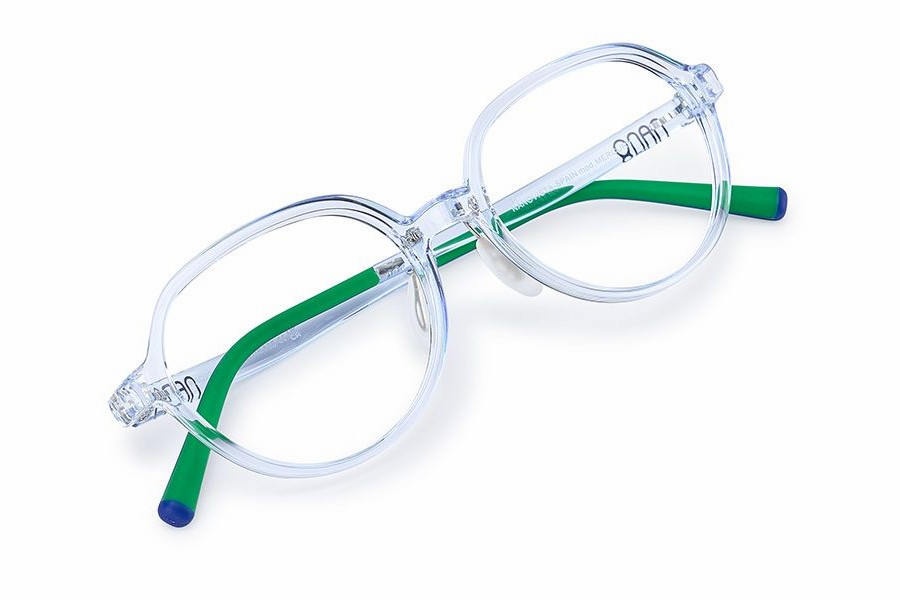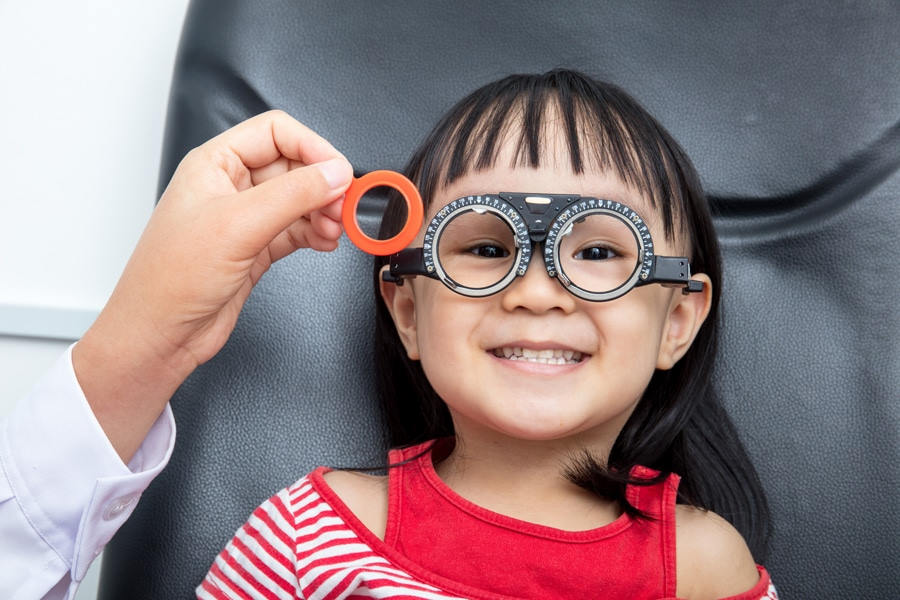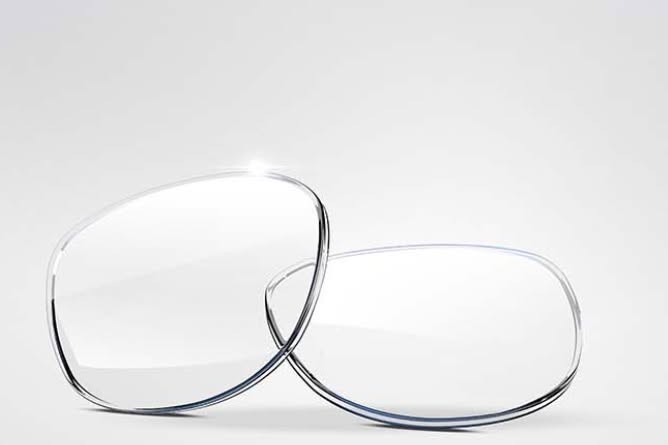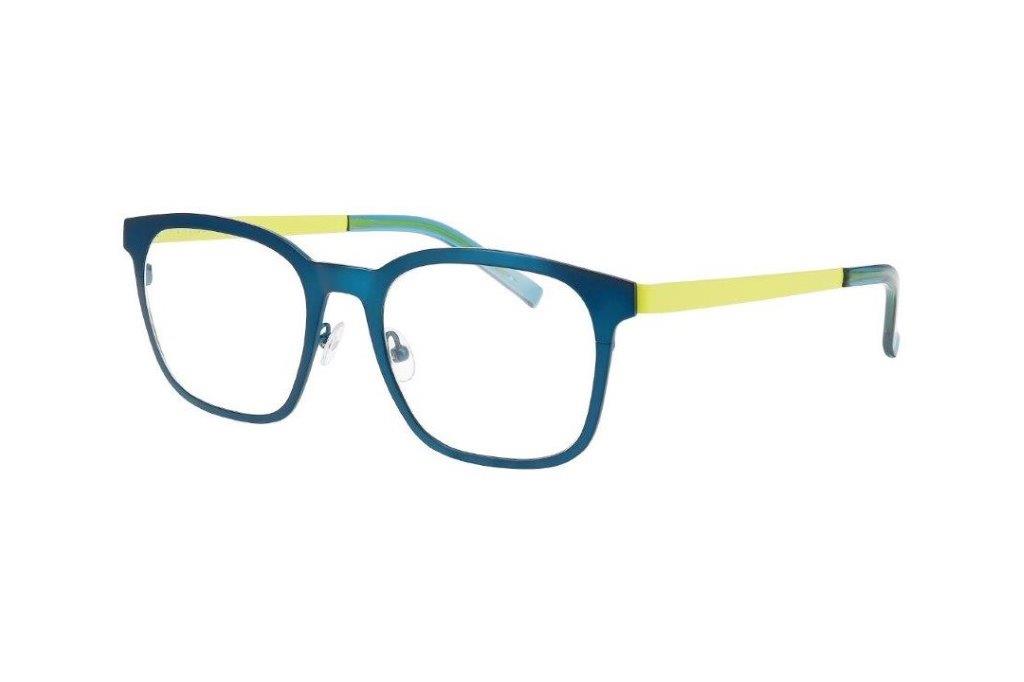





SightGlass Vision is developing spectacle lenses to slow the progression of nearsightedness or myopia in children, and is enrolling participants in the US and Canada in a clinical trial to test effectiveness of the glasses in controlling their nearsightedness. The CYPRESS study is evaluating the safety and efficacy of the company's lenses compared to standard spectacles to reduce the rate of progression of myopia in children aged six to nine. Glasses and contact lenses currently available in the US only correct myopia, but do not help prevent it from getting worse.
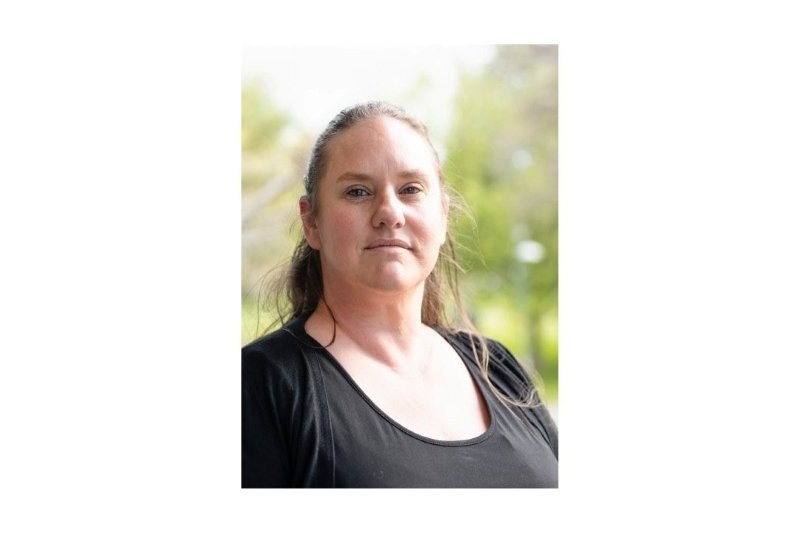
"Although some people view myopia as an ordinary, often unavoidable condition, it has been well established that it often progresses rapidly during childhood. This results in the need for stronger prescription glasses and increases the risk of potentially blinding conditions such as glaucoma and retinal detachment in adulthood," said principal investigator, optometrist Katie Gilbert-Spear.
Myopia has seen a dramatic increase in prevalence over the past several decades. In the early 1970's, only 25 percent of Americans were nearsighted. By the early 2000's, that number had jumped to more than 40 percent and it is estimated almost half of the world's population, or five billion people, will be nearsighted by 2050. This increase is thought to relate to lifestyle changes, including less time outdoors and more eye-straining or work-related activities such as reading and screen time.
The CYPRESS trial is a multicenter, double-blinded, randomized controlled clinical trial that plans to enroll 255 patients across 14 clinical sites and over three years in the US and Canada. Trial participants will use one of three types of lenses instead of their normal glasses. SightGlass expects to report initial results in 2020, followed by additional data with longer-term follow up.