






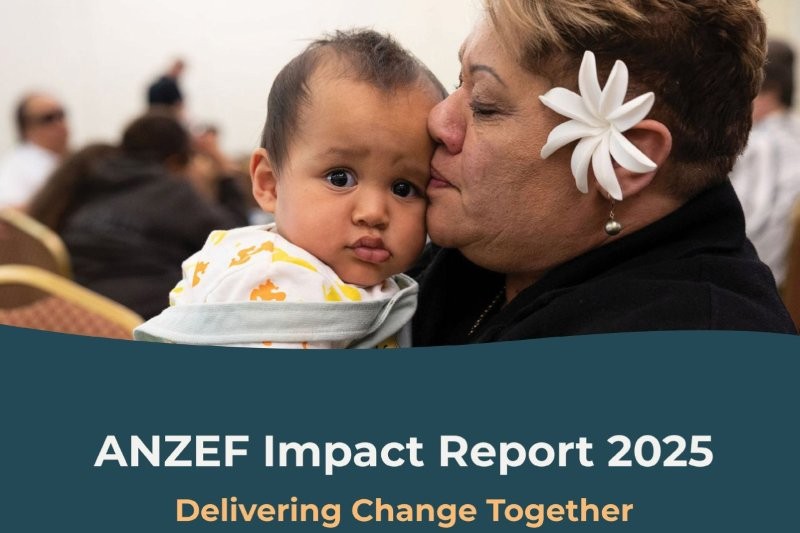
The Australian and New Zealand Eye Foundation (ANZEF) has released its Impact Report 2025 outlining the charitable arm of RANZCO’s achievements in tackling eyecare inequity and accessibility.
The report details what it describes as “significant progress”, highlighting expanded partnerships, strengthened workforce pathways and new research targeting inequity across Australia, Aotearoa and the Pacific. It emphasised a shift toward sustainable, community-led care supported by long-term local capacity building.
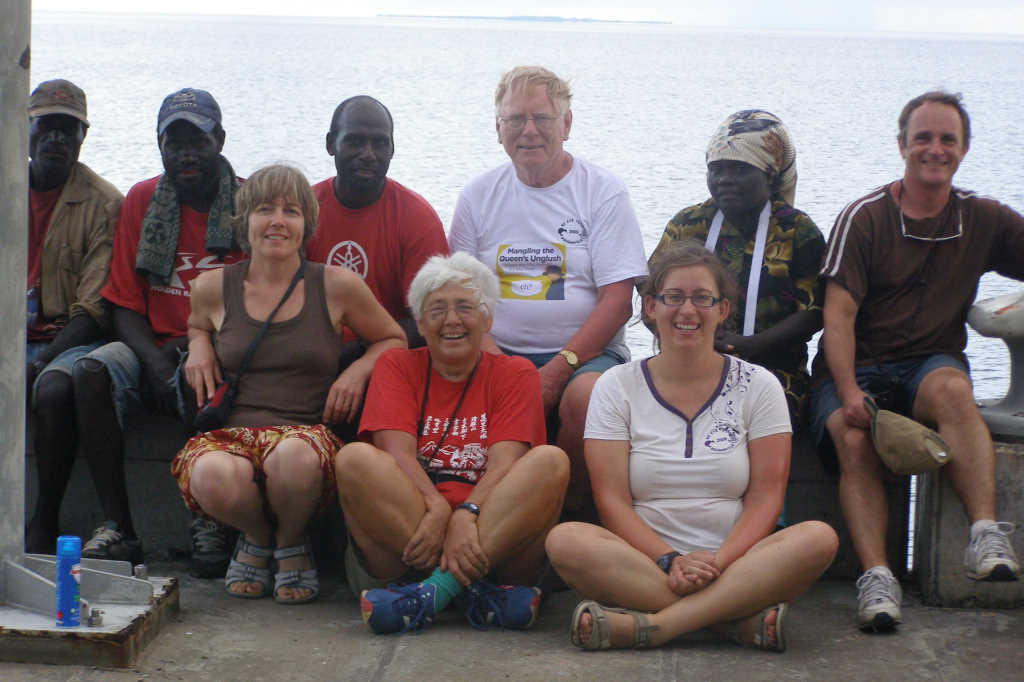
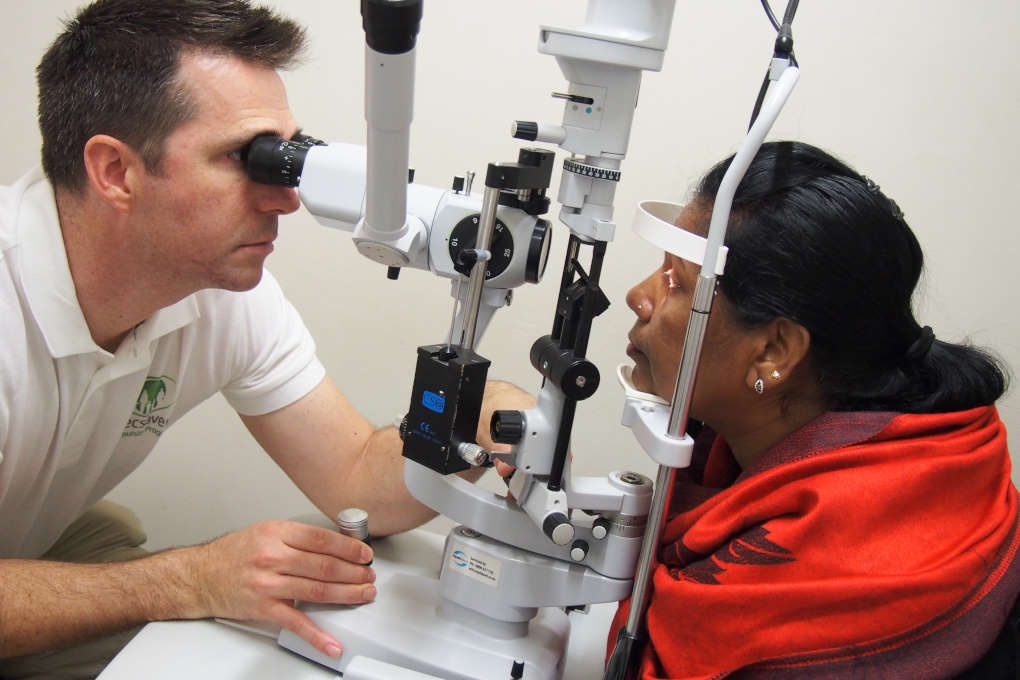
The charity collaborated with regional organisations including Sight For All, Foresight Australia, the Fred Hollows Foundation New Zealand, the London School of Hygiene & Tropical Medicine and the Queensland Eye Institute. The collaborations resulted in initiatives such as establishing a permanent eye clinic in Sumba, Indonesia, serving more than 250,000 people, with a second clinic planned in a neighbouring district. ANZEF also supported Papua New Guinea’s first paediatric ophthalmology clinic and fellowship, vitreoretinal and ROP training for clinicians from Tonga, the Solomon Islands and Timor-Leste and expanded diabetic eyecare training for more than 100 health professionals since 2022.
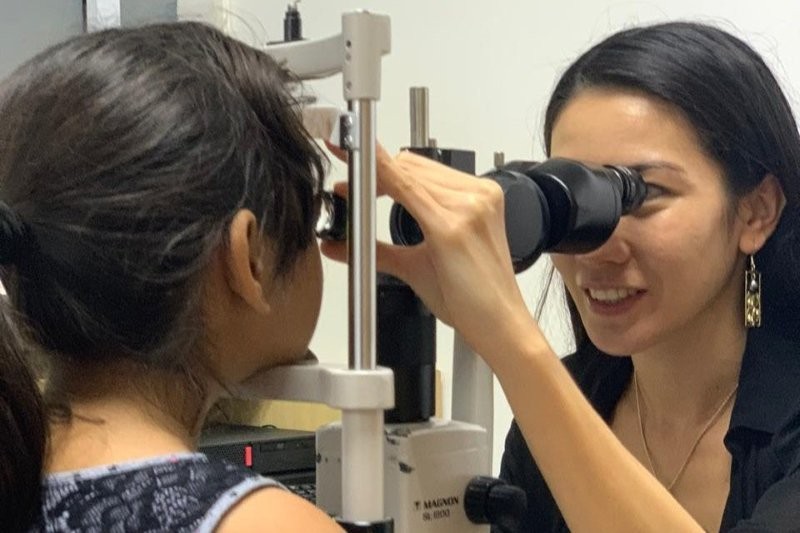
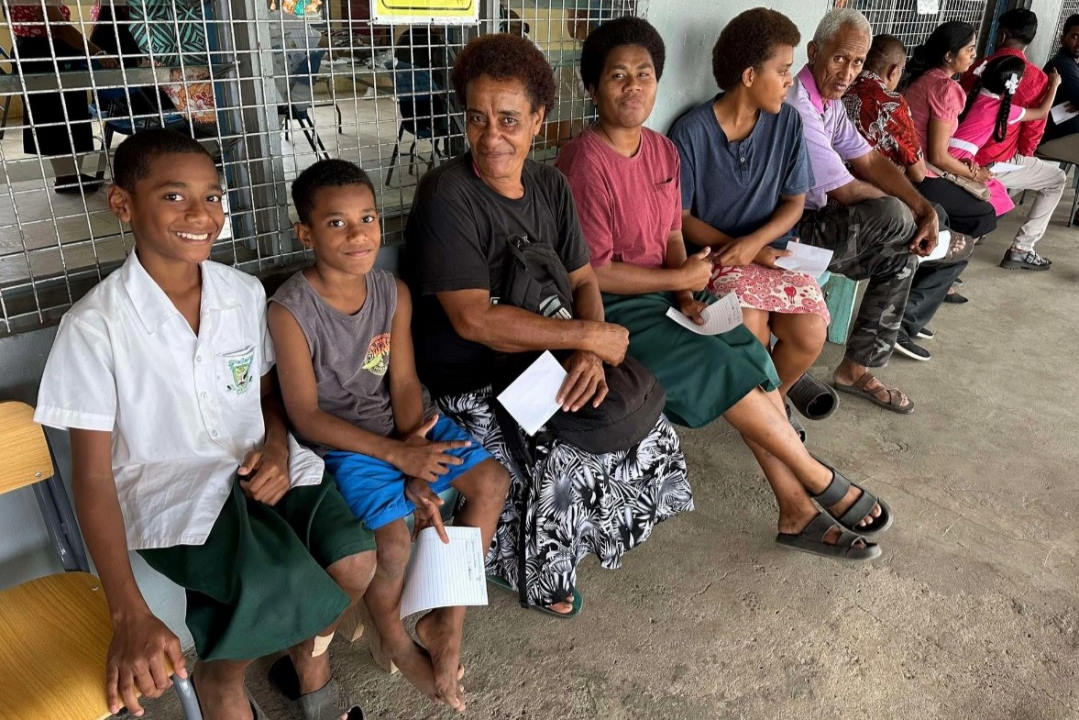
The Pacific Fund continued to strengthen locally led training, early-career development and cross-border collaboration, said the report. Key areas included EyeSi simulator access, diabetic retinopathy grading programmes in Fiji, Samoa, Vanuatu and the Solomon Islands. These initiatives were highlighted during the Global Eye Health Workshop, where more than 200 clinicians shared practical approaches for low-resource settings.
Representation in the ophthalmic workforce reached a milestone, with 11 First Nations, Māori and Pacific trainees enrolled in the RANZCO Vocational Training Programme – the highest number to date. Scholarships, mentoring and cultural learning opportunities expanded further, including the Yarranabbe-ANZEF scholarships at UNSW and participation in the ophthalmology hui for Māori and Pasifika students.
Several ANZEF-funded research programmes investigated barriers to care. These included the Glasses for Kids study in Aotearoa New Zealand, assessing the financial burden of children’s spectacles, and the Lions InReach Vision initiative in Perth, which has delivered more than 2,400 appointments, 217 cataract surgeries and over 600 intravitreal injections for First Nations and refugee communities. A preschool vision screening pilot in the Northern Territory screened 2,152 children across 55 schools, identifying amblyopia, refractive error and strabismus, with higher referral rates among Indigenous children.
Through its third Grant Round, ANZEF funded five equity-focused projects, including research into Pacific Peoples’ eye health in Aotearoa, Māori child non-attendance, keratoconus treatment hesitancy, rural participation in clinical trials and Kiribati’s first RAAB survey.
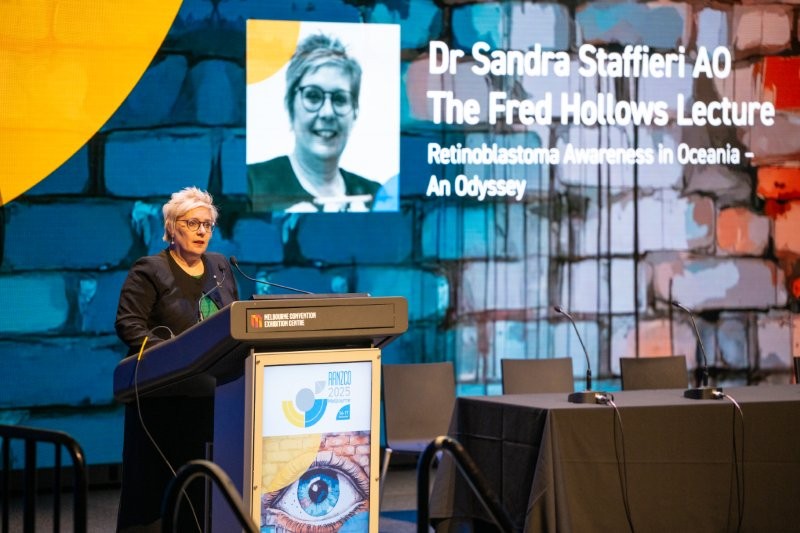
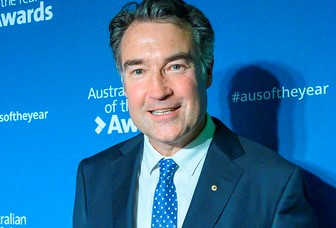
At the RANZCO 2025 congress in Melbourne, Dr John Kennedy outlined ANZEF’s plan to close critical gaps in eyecare delivery, advance equity and access to eyecare across the region and invest in the next generation of First Nations, Māori and Pacific eye health champions.
According to the Impact Report, these goals will be achieved by expanding education and capacity-building initiatives across the Pacific, scaling proven models, strengthening leadership pathways, expanding the Pacific Education Fund and launching a major philanthropic campaign to accelerate innovation and equitable access.