






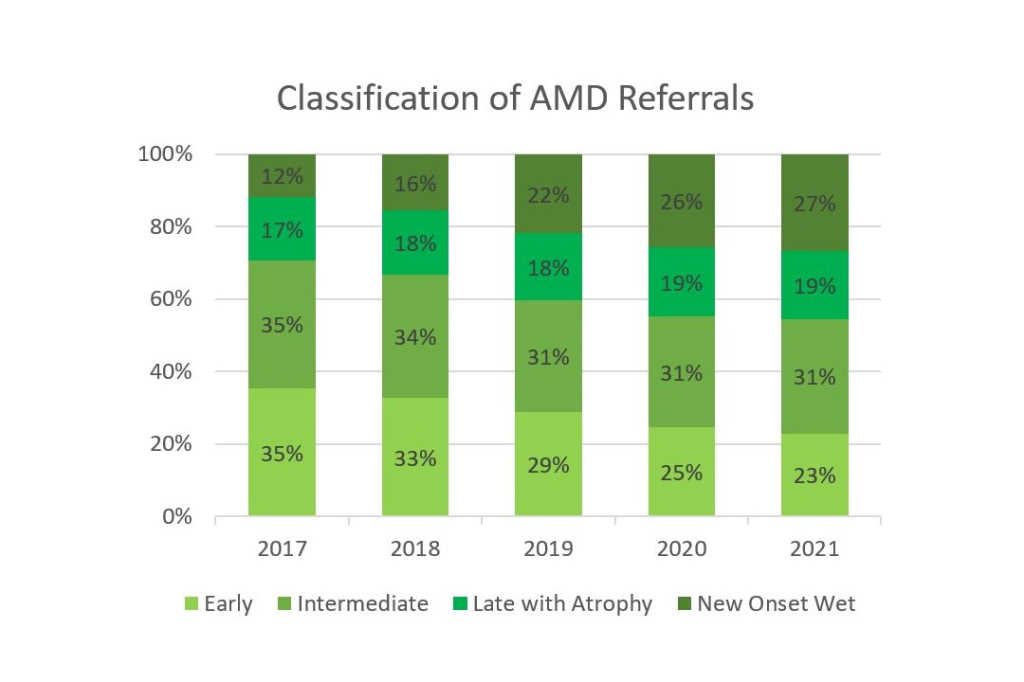
Increased access to OCT in clinical practice is transforming age-related macular degeneration (AMD) patient management, diagnosing the disease earlier than before, according to Specsavers’ data. The five-year transformation seen in Australia, supported by the evolving Royal Australian and New Zealand College of Ophthalmologists (RANZCO)-led referral pathway for AMD management, can be clearly identified in the makeup of referrals to specialists, said report authors.
AMD referrals for patients with new-onset neovascular AMD have increased significantly, said Dr Ben Ashby, Specsavers director of optometry. “This is not to suggest a sudden increase in incidence of nAMD – rather, it reflects the benefits for clinical decision-making gained through the routine use of OCT for every patient.” In contrast, the proportion of patients referred for early or intermediate AMD has fallen from 70% in 2017 to just 54% in 2021.

Dr Ben Ashby
In New Zealand, where Specsavers’ OCT roll-out was completed in 2018, electronic access to referral data is limited – something Dr Ashby said he hopes will change with the advent of Health NZ. “The key learnings from the work we’re carrying out in Australia could eventually pave the way for a strategy that could impact the thousands of New Zealanders with AMD.”
Partnership to fight nAMD vision loss
In other news, Specsavers announced a strategic partnership with Macular Disease Foundation Australia (MDFA), focusing on nAMD treatment-adherence rates. The partnership is a natural progression for Specsavers, said Dr Ashby, to support the Australian National Eye Health Framework in reducing the incidence of preventable vision loss and blindness through improved prevention, early detection and co-management of eye diseases.
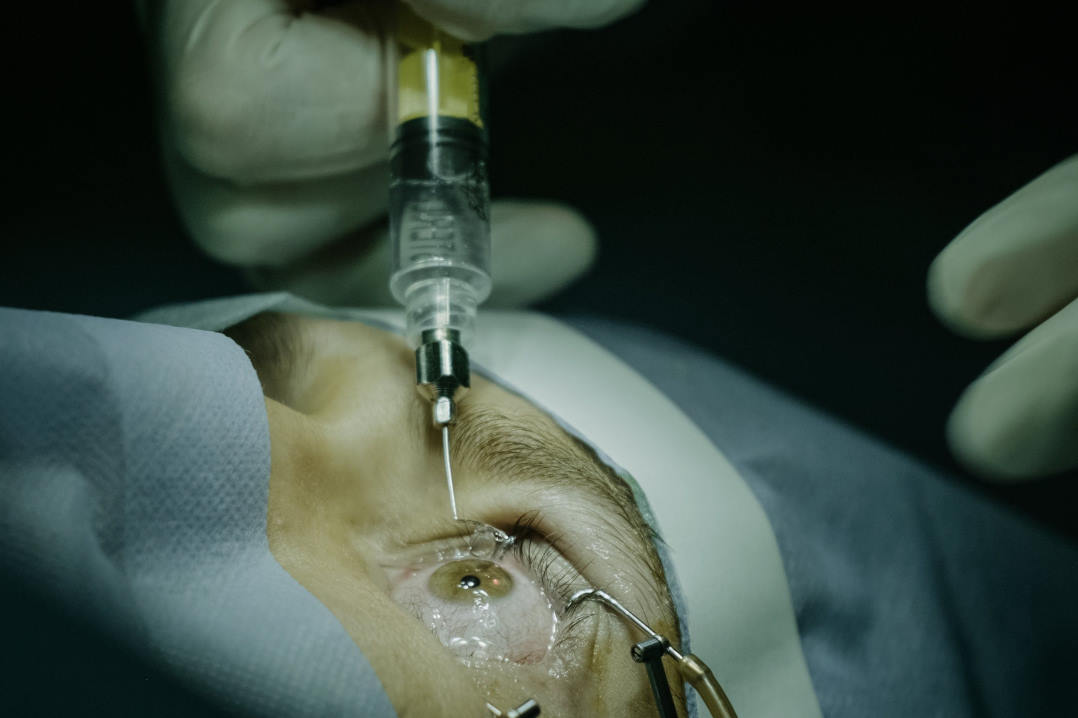
It is estimated 1.4 million Australians have AMD, of whom 156,090 have nAMD and require treatment. However, around 20-25% of patients don’t receive required intravitreal injections, said Dr Ashby. Targeting this group, the partnership could significantly reduce the incidence of preventable blindness by supporting nAMD suspects to attend their first ophthalmology appointment and adhere to treatment, he said. Specsavers is also exploring strategic partnerships in New Zealand, though it's too early to say more at this time, he said.