








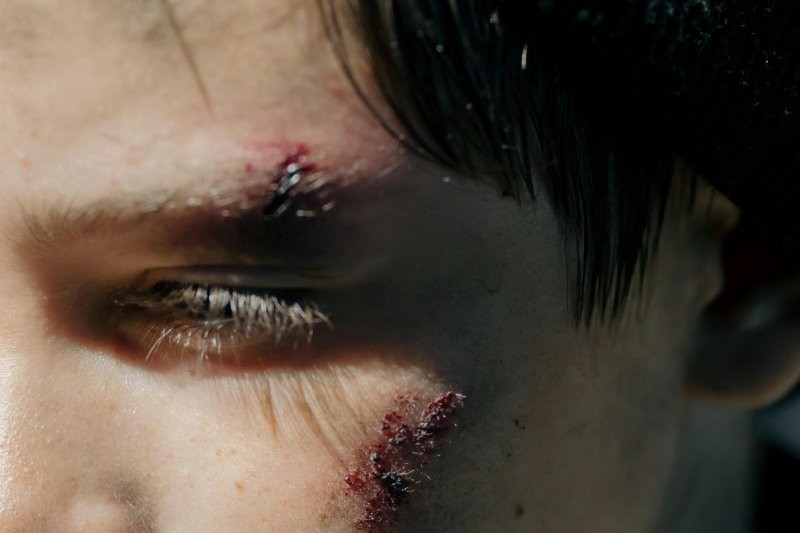
Clinicians should suspect injuries beyond eyelid laceration from dog bites to the periocular region, paying particular attention to younger patients, who are more likely to have either infection or a concurrent orbital fracture, said the US authors of a 13-year review published in Ophthalmic Plastic and Reconstructive Surgery.
The Texas Children’s Hospital team examined records from 150 young patients treated between 2011 and 2024. The average age was just over five years, with most injuries resulting from familiar dogs. The American Staffordshire terrier (pit bull) was the most frequently identified breed, the study showed.
Eyelid lacerations were the most common injury (92.7%), followed by canalicular (25.3%) and brow lacerations (15.3%) and orbital fractures (12%). Children aged two years and under were more likely to develop infections or sustain orbital fractures (mean age 2.1 years for those with fractures, p=0.010). Overall, 10% of cases developed infection, with age ≤2 years being an independent risk factor (adjusted OR 1.12, p=0.017).
Surgery was required in most patients, including eyelid repair (82%), canalicular repair (26%) and orbital fracture repair (2%). The researchers also noted a rise in cases over time, with a sharp increase in 2020.
Lead researcher Dr Truong and colleagues concluded that, while serious complications and reoperations were uncommon, all periocular dog bites warrant careful ophthalmic assessment and family counselling on safe dog interactions.