







US researchers at the National Institutes of Health (NIH) have mapped the 3D organisation of genetic material of key developmental stages of human retinal formation, using intricate models of a retina grown in the lab.
Published in Cell Reports, the findings reveal a highly dynamic process by which the architecture of chromatin (the DNA and proteins that form chromosomes) regulates gene expression, said lead investigator, Dr Anand Swaroop, head of the Neurobiology, Neurodegeneration and Repair Laboratory at the National Eye Institute, part of NIH. “These results provide insights into the heritable genetic landscape of the developing human retina, especially for the most abundant cell types that are commonly associated with vision impairment in retinal diseases.”
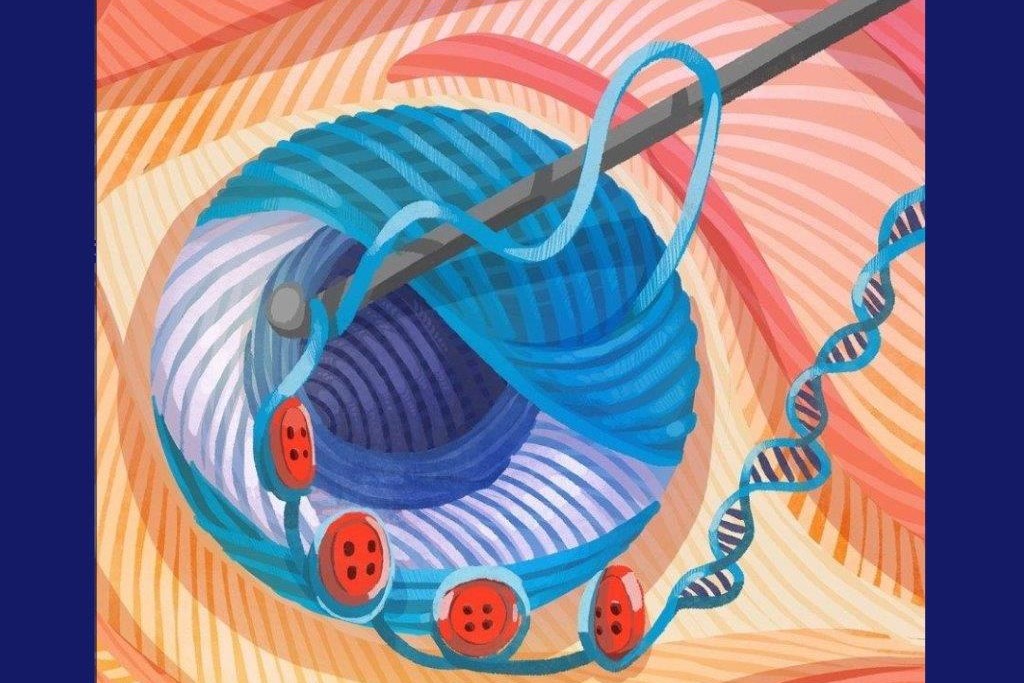
Using deep Hi-C sequencing, researchers created a high-resolution map of chromatin in a human retinal tissue model at five key points in development. Genes are interspersed throughout long strands of DNA, which are then packaged into chromatin fibres and spooled around histone proteins, and then repeatedly looped to form highly compact structures in the cell nucleus. Those loops create millions of contact points where genes encounter non-coding DNA sequences, said researchers, such as super enhancers, promoters and silencers that regulate gene expression. Long considered ‘junk DNA’, it’s now understood these non-coding sequences play a crucial role in controlling gene expression.
“The findings reveal a dynamic picture: spatial organisation of the genome within the nucleus is transformed during retinal development, facilitating expression of specific genes at key time periods,” said researchers.