









A two-year clinical study evaluating Lenslet-ARray-Integrated (LARI) spectacle lenses found switching designs further reduced axial elongation, while refractive error progression remained similar.
Led by a team of researchers from the Wenzhou Medical University in China and published in Eye and Vision, the findings suggest that varying optical signals over time may augment existing myopia-control strategies.
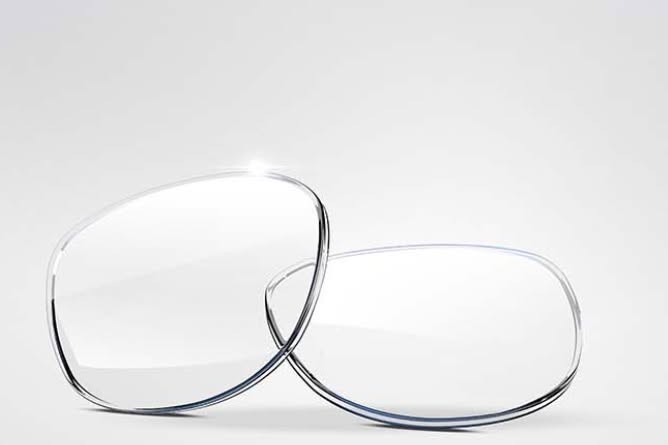
The study followed 218 myopic children aged 6–12 years who wore LARI spectacle lenses designed with either positive or negative power lenslets. By comparing children who continued with the same lens design with those who switched, the researchers investigated whether altering optical cues could enhance long-term myopia control.
Over the two-year period, children wearing LARI lenses showed significantly less myopia progression and axial elongation compared with those wearing single-vision lenses. Average axial elongation in the LARI groups ranged from 0.33 to 0.44mm, markedly lower than in the control group. While the protective effect on spherical equivalent refraction (SER) weakened during the second year, the reduction in axial elongation persisted, said researchers.
Children who changed from one lenslet design to the other after the first year exhibited less axial elongation during the second year. However, SER changes remained similar regardless of whether they switched designs or not. The findings suggest that myopia-control mechanisms may extend beyond traditional optical defocus theories, authors suggested. Importantly, the results indicate that alternating optical signals may partially counteract the decline in treatment efficacy often observed with prolonged use of a single intervention.
"This study highlights an important shift in how we think about long-term myopia control," said a senior investigator. "Rather than relying on a single optical strategy year after year, adjusting the visual signals delivered to the eye may help sustain structural benefits, particularly in slowing eye growth. The continued suppression of axial elongation is clinically meaningful, as eye length is closely linked to future risks of pathological myopia."
The findings provide practical insights for clinicians managing childhood myopia, they said. Although lens switching alone may not fully limit refractive progression, it could be combined with other approaches, such as low-dose atropine or orthokeratology, to improve overall control, they concluded.