






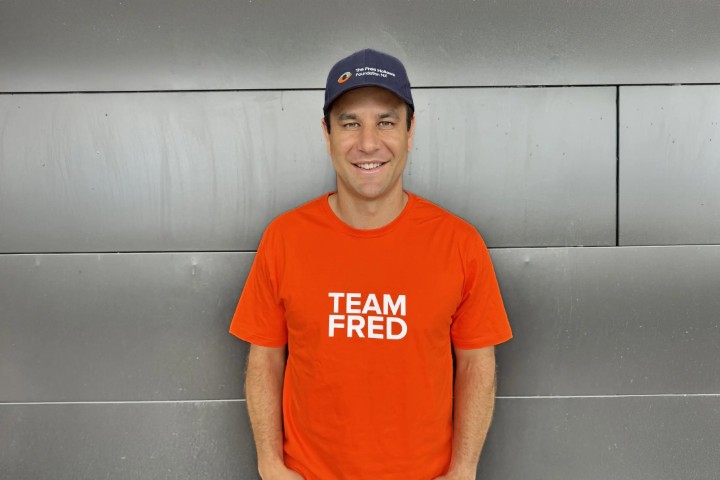
Doctor and international rugby referee Ben O’Keeffe has added ‘Fred Hollows Foundation NZ ambassador’ as another string to his bow.
Dr O’Keeffe is the CEO of Otago Vision Specialist and a medical doctor practising musculoskeletal medicine as a training registrar. He also co-founded oDocs Eye Care, a social enterprise developing smartphone-based tools to support affordable and accessible eyecare.
The Fred Hollows Foundation NZ chief executive Dr Audrey Aumua said Dr O’Keeffe’s mix of medical expertise and commitment to eye health made him a strong fit for the role. She said she was thrilled to welcome him as an ambassador. “He brings a genuine understanding and interest in eye health and the life-changing impact of restoring sight. Ben’s support will help us raise awareness of avoidable blindness and the importance of accessible eyecare across the Pacific,” she said.
Dr O’Keeffe said he is inspired by people like Fred Hollows, the Foundation and New Zealand’s doctors and what they are able to do. “I have a real passion for ophthalmology and eye health from my time as a non-training registrar,” he said. Raising awareness will be his main goal as the Foundation’s ambassador. “I’ve seen the difference timely care can make. I’m looking forward to helping build awareness and support for the Foundation’s work, so more people can get the treatment they need, more local specialists can be trained and eyecare services can continue to improve across the Pacific,” said Dr O’Keeffe.
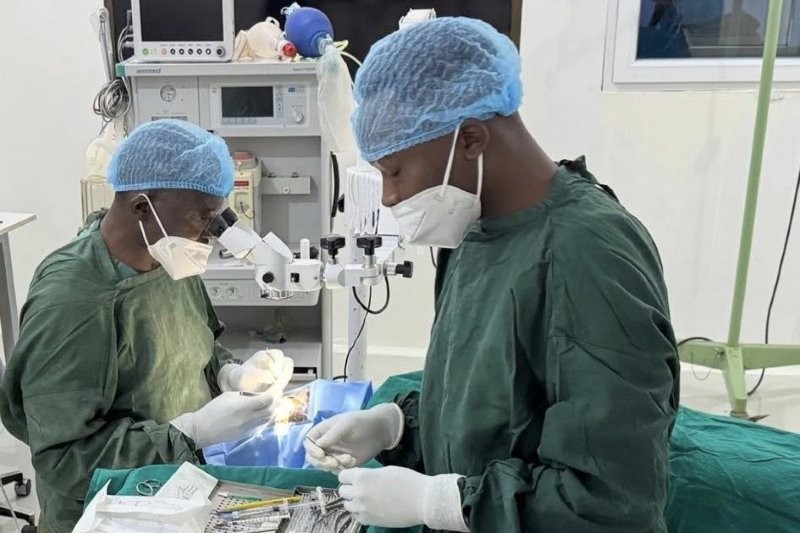
Meanwhile, the foundation recently celebrated the birthday of its late founder and highlighted the 100,000 sight-restoring eye surgeries its members have now performed. “[These surgeries], which can be delivered for as little as $25, represent not just restored sight, but significant economic value retained through more people staying in work and school and being able to support their families and communities,” said a Fred Hollows Foundation NZ statement.
It said research shows every dollar invested in eye health delivers a return of $28 in low and middle-income countries; in Pacific contexts, the returns can be even higher. “When avoidable blindness is reduced, the benefits flow back into households, schools, local economies and the health system itself.”