






Dr Lisa Hamm of Auckland University has been awarded the Rutherford Foundation post-doctoral fellowship for her research project Learning to see: Identifying visual processing challenges through innovative assessment tools.
Dr Hamm was visiting whānau overseas when she received the news. “To have the Royal Society support me in this way is extremely special for me,” she said. “This project ties together several areas of research I’ve been passionate about for a very long time and it allows me to spend a couple of years really digging into research about how we assess brain-based vision impairment in children, and it means that I can continue to build collaborative relationships with the amazing people and groups who work in this field.”
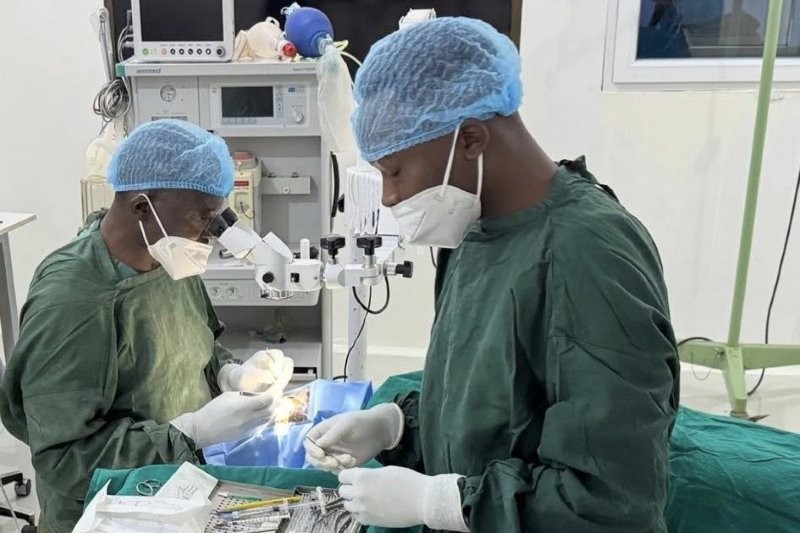
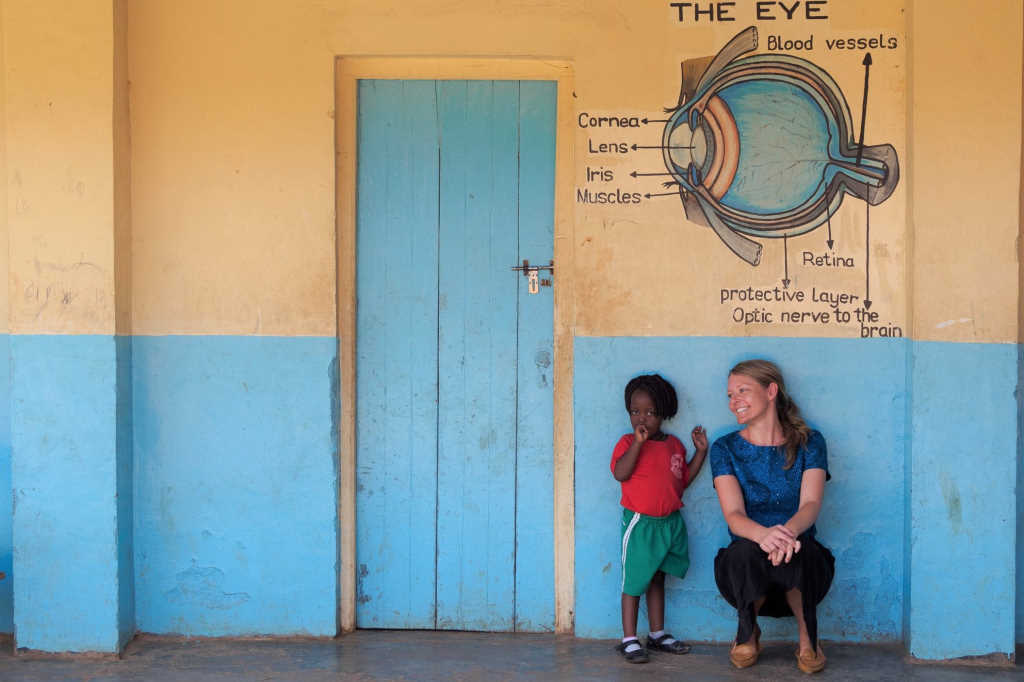
The Learning to see project is focused on two groups of children, Dr Hamm explained, those with cerebral visual impairment (the focus of the Aotearoa component), and those with a history of delayed removal of bilateral cataracts (the focus of the Uganda component). “A key aim of the project is learning from international experts from a variety of backgrounds: teachers, rehabilitation specialists, vision scientists, medical professionals and whānau of impacted children, to better understand how different groups currently assess vision in children with these conditions and to highlight where new tools may be beneficial.”
“I hope this will build stronger relationships across sectors and result in practical ways to augment current practice with emerging research and tools,” said Dr Hamm. “Achieving these goals will help us understand what these children see, and eventually help us work towards expanding options for education and rehabilitation. If anyone out there is interested in CVI [cortical visual impairment] or extended bilateral visual deprivation, I’d love to hear from you!”
The Royal Society’s Rutherford Foundation supports early career researchers, funds PhD scholarships and postdoctoral fellowships, and helps bring outstanding overseas New Zealand researchers back home. Dr Hamm was one of 11 young New Zealand scientists recognised through the programme in 2019.