







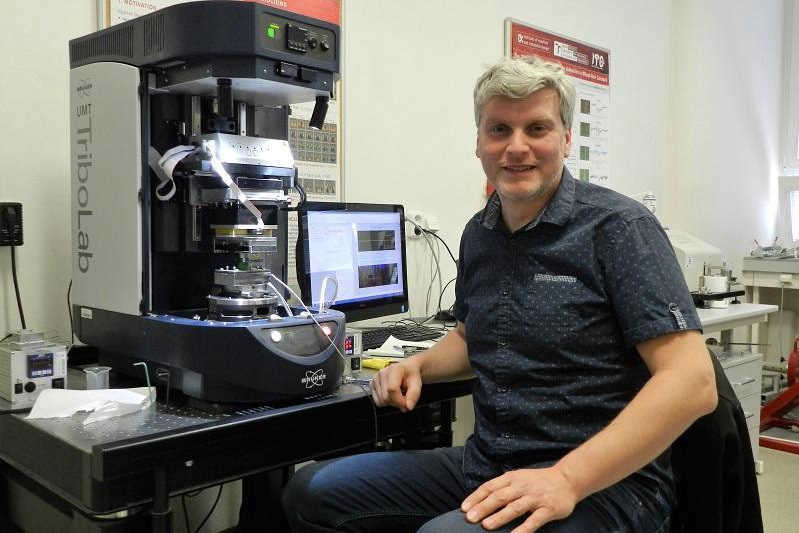
Researchers at the Brno University of Technology in the Czech Republic have embarked on a study to investigate a new raw material to make “better” artificial tears.
Hyaluronic acid, produced by the body and found mainly in skin, the vitreous and the joints, already contributes to the hydration and lubrication of the tear film and is known to reduce friction, said study lead, Associate Professor Martin Vrbka from Brno’s Faculty of Mechanical Engineering. “Unlike current preparations, which combine various polymers to replace the individual properties of the tear film, we are developing one polymer, based on a hyaluronic acid derivative."
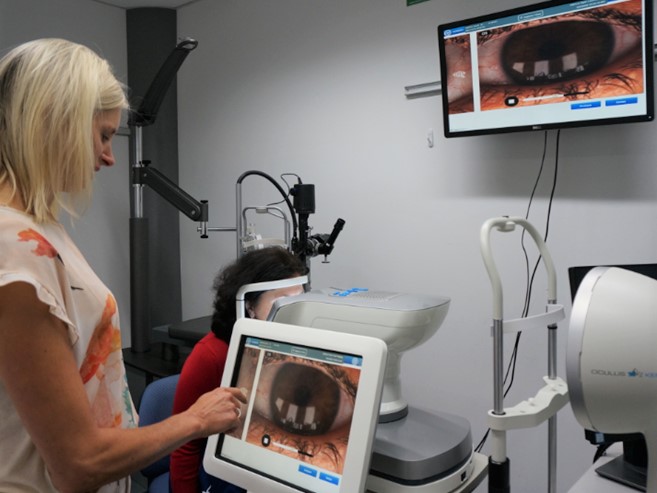
Initial work has been carried out into joint replacement therapies, but now the team are developing an experimental eye model to analyse the effect of their derivative on friction between the ocular surface and the eyelid. The hyaluronic acid derivative also binds mucin better to prolong any solution’s effectiveness, said Gloria Huerta-Angeles from Czech biotech firm Contiro, which supplies a synthetic form of hyaluronic acid.
Researchers hope to commercialise a better raw material for artificial tears manufacturers within four years.