






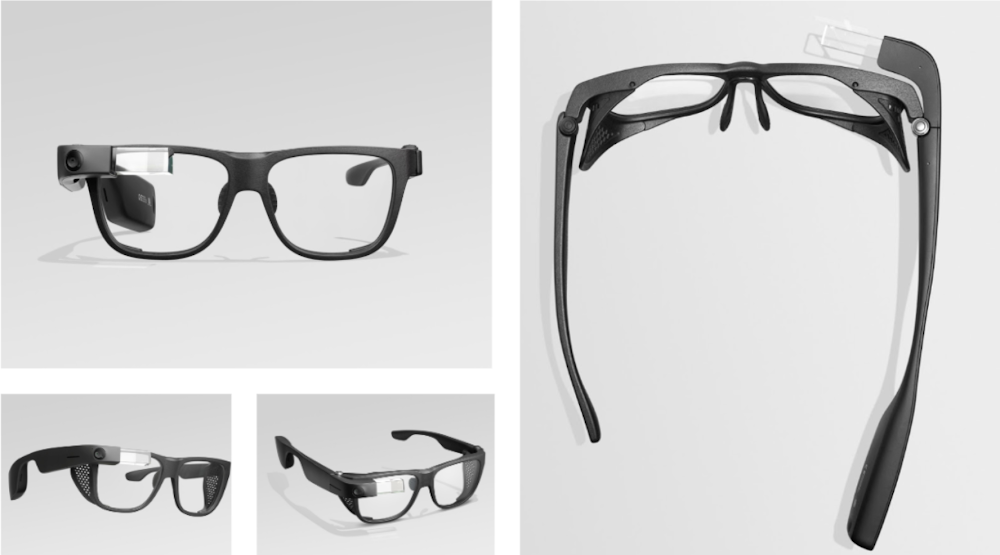
A new version of Google Glass has been released, with Google promising it will help businesses further improve efficiency and saying it had incorporated a lot of changes based directly on user feedback.
Google said its Glass Enterprise Edition offered significant power savings, enhanced performance and support for computer vision and advanced machine learning capabilities. Glass-compatible safety frames, engineered by Google parent company Alphabet in partnership with Smith Optics, were also available for demanding work environments, like manufacturing floors and maintenance facilities, the company said on its blog. It added the new version also sports enhanced camera performance and quality, faster charging and longer period between charges. It’s also easier to develop for and deploy, Google said.
“Over the past two years at X, Alphabet’s moonshot factory, we’ve collaborated with our partners to provide solutions that improve workplace productivity for a growing number of customers including AGCO, DHL, Sutter Health, and HB Fuller,” Google said. “We’ve been inspired by the ways businesses like these have been using Glass Enterprise Edition. X, which is designed to be a protected space for long-term thinking and experimentation, has been a great environment in which to learn and refine the Glass product. Now, in order to meet the demands of the growing market for wearables in the workplace and to better scale our enterprise efforts, the Glass team has moved from X to Google.”
Glass Enterprise Edition 2 is built on the Qualcomm Snapdragon XR1 platform and uses Android, the company said, making it easier for customers to integrate the services and APIs (application programming interfaces) they already used. And in order to support scaled deployments, Glass Enterprise Edition 2 now supported Android Enterprise Mobile Device Management and had a USB-C port, it confirmed.
The original Glass Enterprise Edition, Google said, had helped workers in a variety of industries, eg. logistics, manufacturing and field services, do their jobs more efficiently by providing hands-free access to the information and tools they need to complete their work. Workers could use Glass to access checklists, view instructions or send inspection photos or videos. Enterprise customers had reported faster production times, improved quality, and reduced costs after using Glass, it added.