






A University of Auckland-led qualitative study has added new detail to why eye donation remains low in Aotearoa New Zealand. These findings go beyond the system and infrastructure issues the research team already identified in NZ Optics October 2025.
Writing in the New Zealand Medical Journal, researchers led by Dr Natalie Allen found awareness of eye donation was 31.8% across the full sample including patients, healthcare professionals, healthcare students and members of the public, and only 8.7% among public participants, despite universal awareness of organ donation more broadly.
The study, based on 10 focus groups involving 44 participants, found most people viewed eye donation positively, with 90.9% supporting the concept and 90.1% saying they would agree to donation on behalf of a loved one. Despite this, only 20.5% had discussed donation intentions with family. Researchers identified poor awareness, cultural factors, disgust and religious beliefs as the main barriers.
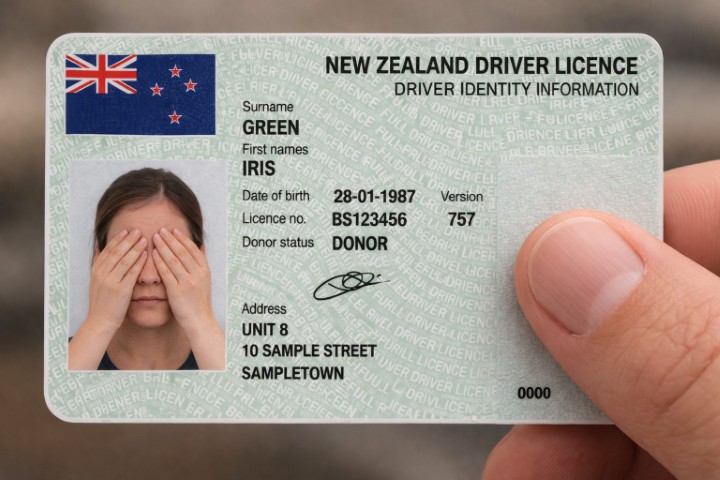
The paper also offered more specific insight into Māori and Pacific Peoples’ perspectives, with participants describing the tapu nature of the body after death, the absence of established cultural frameworks around eye donation and the influence of strong family hierarchy and deference to elders. Many participants also mistakenly believed the donor indication on a driver’s licence functioned as a formal donor registry, while others thought prior procedures such as cataract surgery made them ineligible to donate.
Authors suggested potential solutions include better public and clinician education, culturally safe consent processes, automatic referral systems, an eye donor nurse specialist, personal recipient stories and separate eye-donation frameworks for Māori and Pacific Peoples.