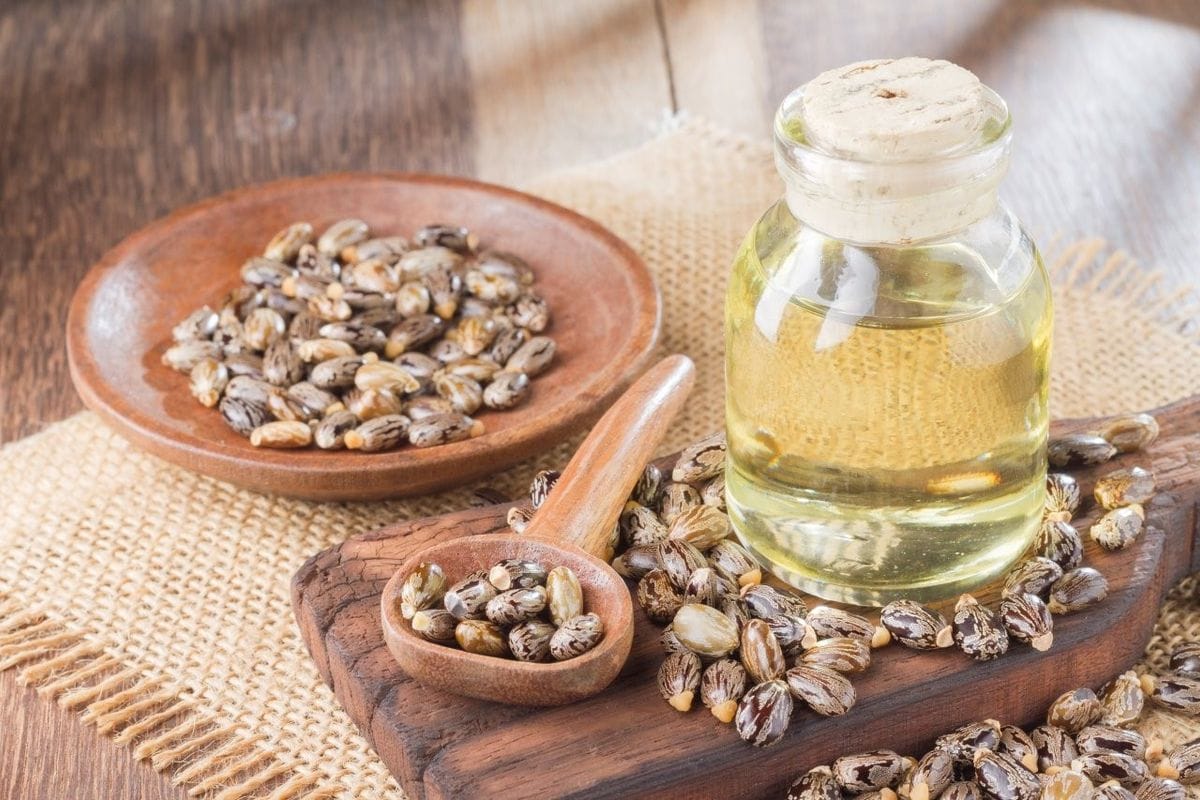
Pressed from the seeds of Ricinus communis, castor oil is a natural triglyceride rich in ricinoleic acid with anti‐inflammatory, antibacterial and antioxidant properties1. Its amphiphilic structure gives it the potential to integrate into and supplement the tear film lipid layer, which is often compromised in meibomian gland dysfunction1.
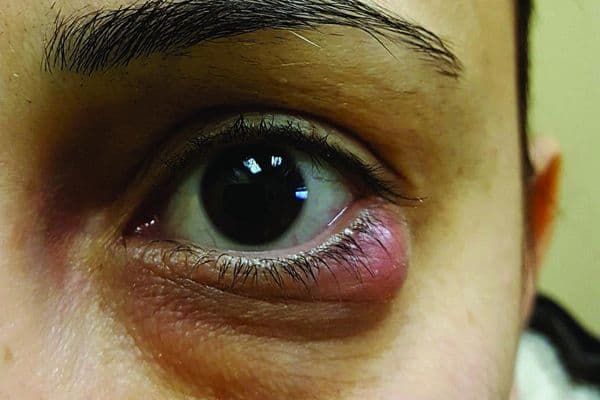
Castor oil has been highlighted for its potential therapeutic effects for the management of blepharitis2. Its efficacy is currently under assessment following a large randomised clinical trial conducted by the article’s co-author Catherine Jennings at the Ocular Surface Laboratory (OSL). To understand, mechanistically, how periocular castor oil application might help improve dry eye disease, a paired-eye clinical study was designed.
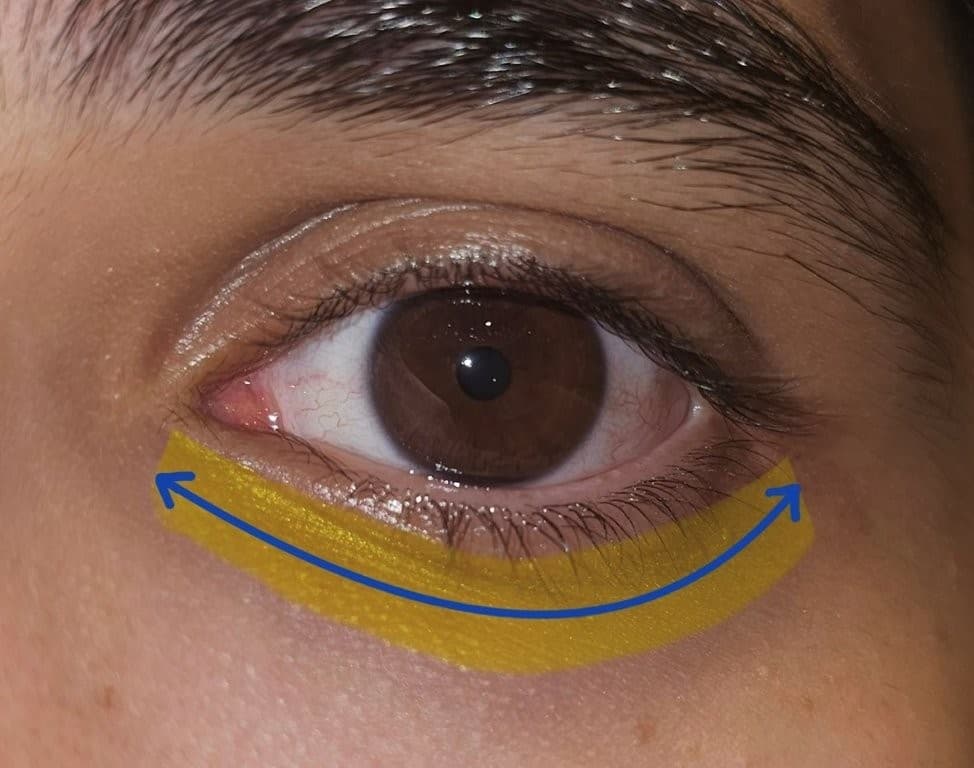
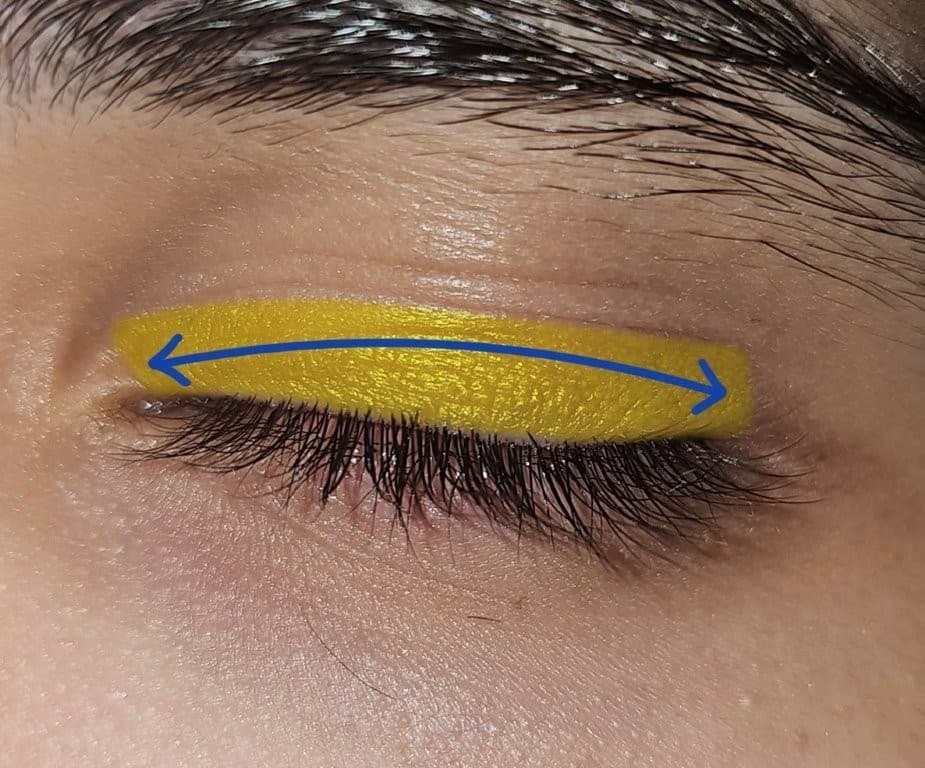
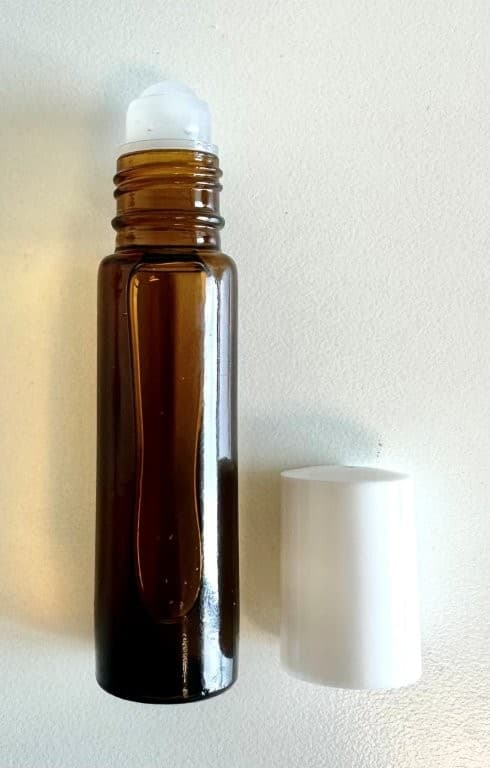
In this study, the impact of applying a proprietary blend of cold-pressed castor oil, infused with small amounts of mānuka and kānuka oil, was compared with that of saline. One eye, selected according to a predetermined randomisation schedule, was administered saline, while the other received the castor oil blend (Fig 1), applied from masked rollerball bottles as illustrated in Fig 2.