

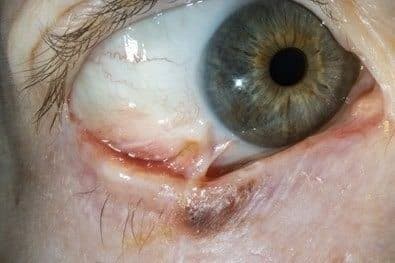
Ocular melanoma: improving outcomes through early detection and care
Ocular melanoma, including choroidal, iris, and conjunctival types, is rare but serious. Early detection by optometrists and ophthalmologists through
Dr Riyaz Bhikoo7 min read
Ocular melanoma, including choroidal, iris, and conjunctival types, is rare but serious. Early detection by optometrists and ophthalmologists through

Inherited retinal disorders (IRDs) comprise a heterogeneous group of diseases characterised by diverse modes of inheritance, including autosomal dominant, autosomal recessive, X-linked (recessive and dominant), mitochondrial inheritance and less common patterns, such as pseudodominance. This genetic
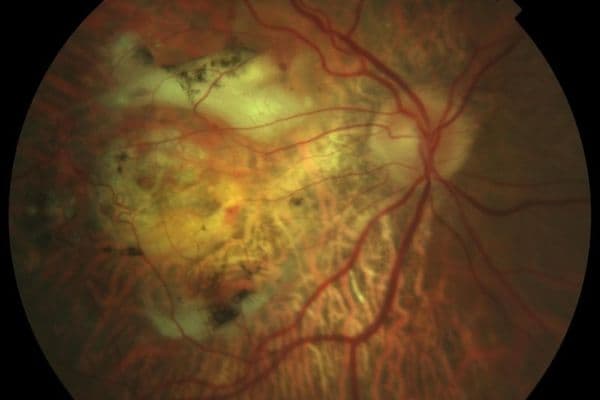
Eye on Ophthalmology takes a look into alternatives to frequent intravitreal injections.
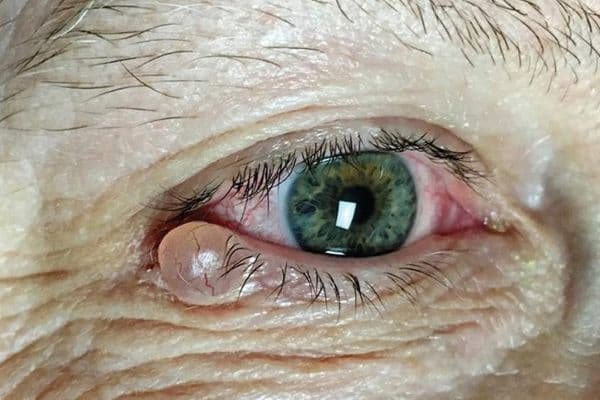
As primary eyecare providers, we are likely to come across many lesions in the periocular area. It is important to have a simple and systematic approach to dealing with these during examination.
Introduction Uveitis encompasses a diverse group of inflammatory disorders affecting the uveal tract (iris, ciliary body, choroid) and adjacent structures such as the retina, vitreous, and optic nerve
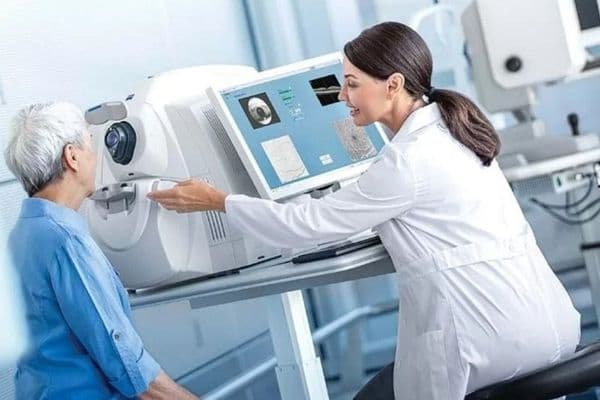
Submacular haemorrhage (SMH) is a vision-threatening complication most often seen in neovascular age-related macular degeneration (nAMD). Other causes include choroidal neovascular membranes secondary to pathological myopia; choroiditis; angioid streaks or choroidal rupture; retinal artery macro-ane
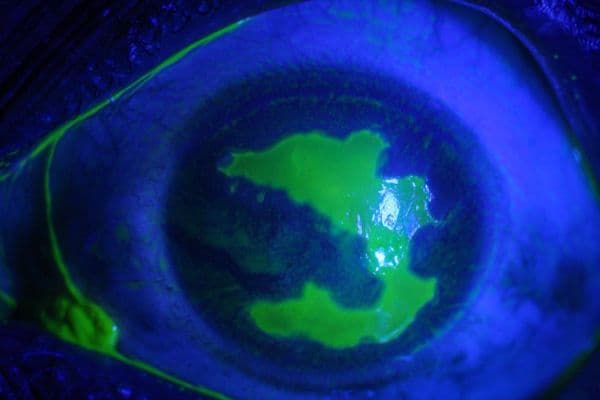
Eye on Ophthalmology takes an in-depth look at acute retinal necrosis and current best management strategies

In choosing from the expanding list of options for glaucoma surgery, we should be seeking to optimise efficacy, safety and consider costs. An ideal glaucoma operation immediately results in: a stable

The 2007 Tear Film & Ocular Surface Society Dry Eye Workshop (TFOS DEWS)1 marked a major milestone in standardising the understanding and management of dry eye disease (DED). A decade later, TFOS DEWS II (2017)2 expanded on this foundation, supported by widespread global research. Now, TFOS DEWS
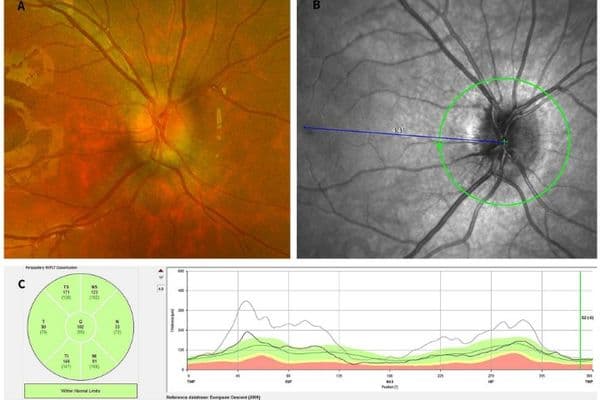
Differentiating true papilloedema from pseudopapilloedema in children presenting with bilateral optic disc swelling remains a frequent and complex diagnostic challenge for ophthalmologists and community providers. There is often a degree of associated anxiety not only for the clinician but also the
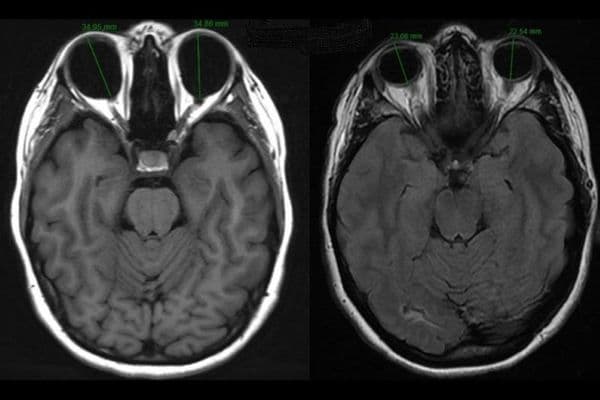
Highlighting red flags in this potentially sight-threatening condition, Dr Leo Sheck shares eight key points to aid clinical practice in pathological myopia

Reflecting on the evolving role of women in eyecare, half a century after International Women’s Day was formally recognised