
Assessing advances in dry eye technology
Research in dry eye disease has gained momentum – in part due to the recent publication of the Tear Film and Ocular Surface Dry Eye Workshop II (TFOS DEWSII) report, a culmination of more than two

Research in dry eye disease has gained momentum – in part due to the recent publication of the Tear Film and Ocular Surface Dry Eye Workshop II (TFOS DEWSII) report, a culmination of more than two

After almost two and a half years of work, the near 400-page TFOS DEWS II report has been published by the Tear Film & Ocular Surface Society (TFOS). This massive undertaking involved 150 researchers

Emerging from the buzz of TFOS DEWS II, I’m getting my first chance to step back and take stock of the work that 150 experts in the field have contributed, pro bono, to reach consensus on many aspects

In conjunction with the University of Auckland’s Ocular Surface team, led by Associate Professor Jennifer Craig, and their international collaborators, dry eye is being investigated as part of the

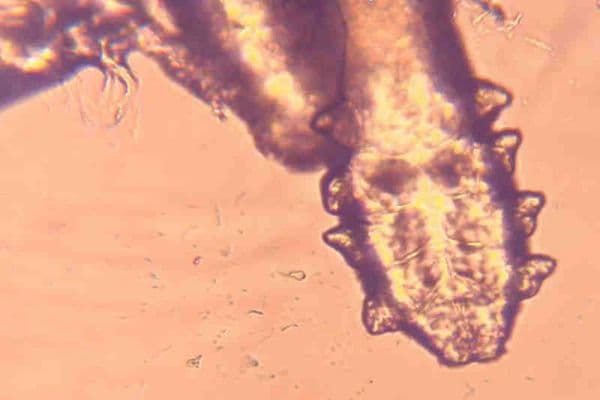
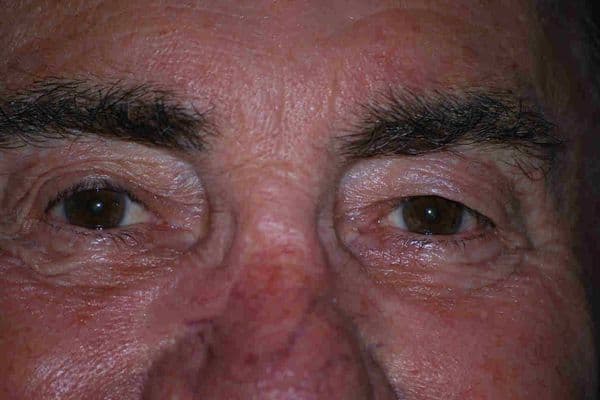
Infestation of the eyelash follicles and meibomian glands with Demodex mites is emerging as a significant cause of blepharitis. This article reviews key aspects of Demodex biology and pathogenesis, as

For many years, blepharitis and dry eye disease (DED) have been thought to be two distinct diseases, and evaporative dry eye distinct from aqueous insufficiency. Consider the "Chicken-and-egg", a

Steroid-sparing effect of 0.1% tacrolimus eye drop for treatment of shield ulcer and corneal epitheliopathy in refractory allergic ocular diseases; A randomized, double masked, placebo-controlled clinical trial of two forms of Omega-3 supplements for treating dry eye disease; Outcomes and complicati